Your first microneedling session can feel exciting and a little scary. That is normal. You may wonder if it hurts, how your skin will look, or what you should do before you go. The good news is simple: a little prep can help you feel calm and ready. Also, it can support smoother healing after your visit.
Microneedling uses tiny needles to make small openings in the skin. Then, your skin starts its repair process. Many people choose it for fine lines, acne scars, rough texture, and uneven tone. The FDA notes that cleared microneedling devices may help improve facial acne scars, facial wrinkles, and some scars in adults.
So, let’s walk through the steps together.
- Know What Microneedling Does
Microneedling is also called collagen induction therapy. It helps your skin respond as if it needs repair. As a result, your body may make more collagen over time. Collagen helps skin look firmer and smoother.
However, this is not an instant fix. You may see some glow soon after healing. Still, bigger changes often take several weeks. That is because collagen builds slowly.
Cleveland Clinic says redness and swelling can happen after treatment. It also notes that mild pinpoint bleeding may happen during and right after the session.
Here is the main benefit for you: knowing the process lowers fear. When you understand what may happen, you can plan better. Also, you can tell the difference between normal healing and warning signs.
- “Start With a Skin Check.”
Before your first microneedling treatment, take a close look at your skin. Do you have a cold sore? Do you have a sunburn? Do you have an active rash or open cut? If yes, tell your provider before your visit.
This step matters because broken or inflamed skin may react poorly. Also, treatment over active infection can raise risks. The FDA warns that microneedling has benefits and risks, so proper screening matters.
“The best first step is honest skin talk, not guesswork.”
Bring up acne, melasma, dark spots, allergies, scars, and skin sensitivity. Also, share past reactions to peels, facials, or numbing cream. This helps your provider choose a safer plan. Most of all, it helps you feel heard.
- Pause Strong Skin Products
Your skin should be calm before microneedling. So, pause strong products a few days before your session, unless your provider says otherwise. This may include retinoids, exfoliating acids, harsh scrubs, and strong vitamin C products.
Why does this help? These products can make skin more sensitive. Then, your skin may sting more during treatment. Also, redness may last longer.
Use a gentle cleanser and simple moisturizer instead. In addition, avoid trying a new product right before your appointment. New products can cause surprise irritation.
Here is an easy rule: keep your routine boring before treatment. Boring is good here. It gives your skin a better chance to stay calm. Also, it helps your provider see your real skin condition.
- Avoid Sun, Tanning, and Burns
Sunburned skin is stressed skin. Therefore, avoid tanning beds and long sun exposure before your microneedling session. Also, wear sunscreen each day when you go outside.
This matters because sun damage can make skin more reactive. It may also raise the chance of dark spots after treatment. If your skin burns before your visit, call your provider. You may need to move the appointment.
Use these simple steps:
Wear a broad-brim hat outside.
Use SPF as directed on the label.
Stay in the shade when the sun feels strong.
Avoid tanning beds completely.
Do not use self-tanner right before treatment.
The benefit is clear. When you protect your skin first, you support better healing later.
- Tell Your Provider About Medications
Some medicines and supplements can affect bruising or bleeding. For example, the Cleveland Clinic says you should tell your provider about blood-thinning medicine. It may raise bleeding or bruising during and after treatment.
Do not stop prescribed medicine on your own. Instead, ask your doctor first. Also, tell your provider about aspirin, ibuprofen, fish oil, and vitamin E. Even “natural” supplements can matter.
Use this quick table before your visit:
| Topic to Share | Why It Matters | What You Gain |
| – Blood thinners – Pain relievers – Supplements |
– May affect bruising – May affect bleeding – May change your plan |
– Safer care – Less stress – Better planning |
| – Cold sores – Acne flare – Skin infection |
– May delay treatment – May need care first – May raise risk |
– Fewer surprises – Smarter timing – Peace of mind |
| – Pregnancy – Allergies – Past reactions |
– May affect product choice – May affect numbing cream – May affect aftercare |
– Clearer guidance – More comfort – Safer choices |
- Plan Your Day Around Recovery
After microneedling, your skin may look red. It may feel tight, warm, or tender. Cleveland Clinic says redness and swelling may last up to five days, though many people look red for about 24 hours.
So, plan ahead. Do not book your first session right before a big event. Also, avoid heavy workouts right after treatment, unless your provider clears it. Sweat can bother fresh skin.
The Night Before
Wash your face gently. Then, skip scrubs and strong actives. Also, drink water and get rest.
The Morning Of
Arrive with clean skin. Avoid makeup if your provider asks. Also, bring questions.
After You Leave
Keep your routine gentle. Then, follow your provider’s aftercare steps.
- “Know What to Expect in the Chair.”
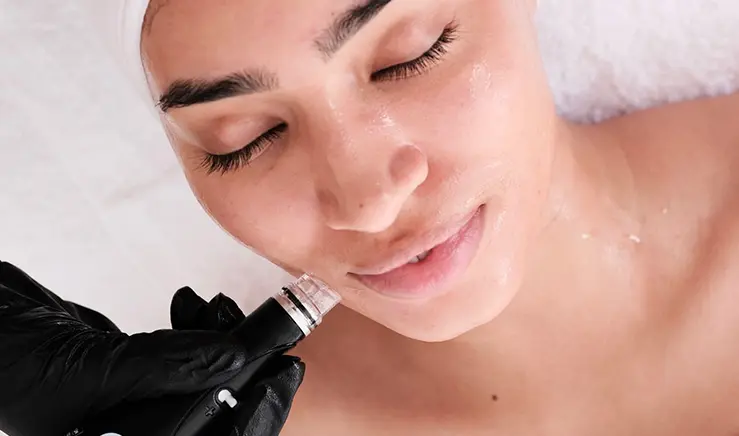
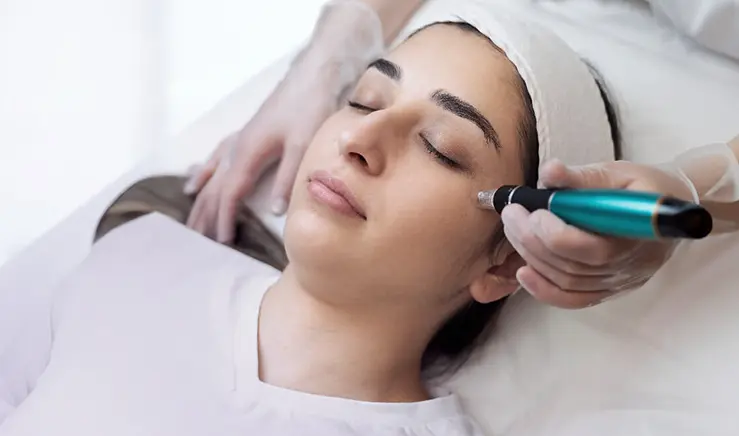
Your provider may cleanse your skin first. Then, they may apply numbing cream. After that, they pass the device over the treatment area.
You may feel pressure, buzzing, or tiny prickles. Some areas may feel more sensitive than others. For example, the forehead can feel sharper because the skin is thinner.
“Feeling nervous does not mean you are not ready.”
During your first microneedling session, speak up if you feel too much discomfort. A good provider wants feedback. Also, ask what they are doing as they go. Simple updates can help you relax.
After treatment, your skin may look pink or red. It may feel like a mild sunburn. However, severe pain, pus, fever, or spreading redness needs medical advice.
- Follow Aftercare So Results Can Build
Aftercare is where many people slip. Yet it can make a big difference. For the first few days, treat your skin with care. Use gentle products only. Also, avoid makeup until your provider says it is okay.
Do not pick, scrub, or peel flaking skin. Let it shed on its own. In addition, avoid direct sunlight as much as you can. Use sunscreen when your provider allows it.
Your skin may feel dry. So, keep it hydrated with simple care. Also, drink water and avoid harsh treatments while your skin heals.
Most of all, be patient. Microneedling results build with time. One session can help, but many people need a series. Your provider can guide timing based on your skin goals.
Conclusion: Feel Ready, Not Worried
Your first microneedling session does not need to feel confusing. When you protect your skin, pause strong products, share health details, and plan recovery time, you give yourself a better start. Also, you walk in with more confidence.
Think of prep as self-care before skin care. It helps you feel informed, calm, and ready for each step. And after your visit, gentle aftercare helps your skin heal well.
For a service-specific note: Angel Brows And Aesthetics offers microneedling as a skin treatment that supports collagen and targets concerns like fine lines, acne scars, wrinkles, and hyperpigmentation.